






A perfect combination of design and functionality
Texte Tom Rampelbergh Photos Bokmerk, Lechner, Diresco
It may not be the first thing that comes to mind when deciding to install a new kitchen. But how do you protect the wall behind the sink and hob? Should you stick with traditional solutions such as splashbacks, or add a touch of innovation and design to a functional feature?
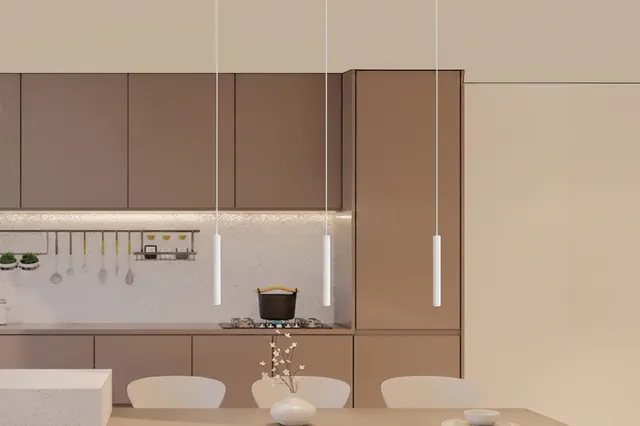
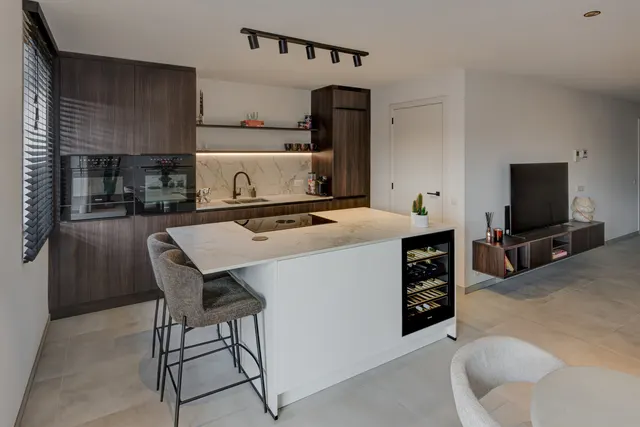
There is no need to explain the usefulness of a splashback. The wall behind the hob and sink is clearly vulnerable: leave it exposed and water and grease splashes will soon leave their mark. A simple coat of paint is not enough. So, tiles? Or is there another solution? In recent years, several manufacturers have entered this market, adding a touch of innovation and design to a feature that was previously purely functional. The splashback can now bring a kitchen to life.
Spoilt for choice
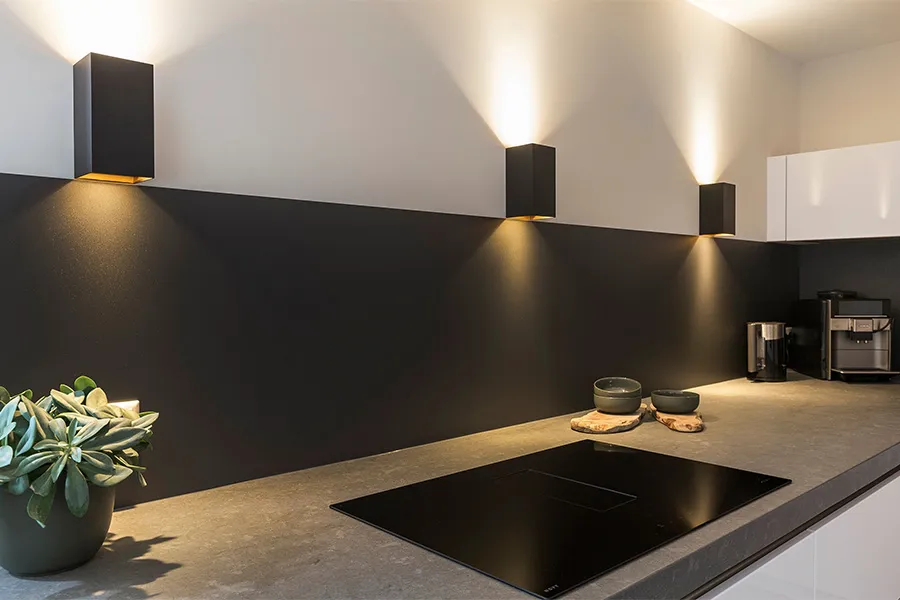
Which material should you use? This is another choice to put to the client, and one that affects the look of the kitchen. The wall behind the hob and sink naturally catches the eye. For the sake of completeness, tiles should also be included on the list. In some types of kitchen, a tiled splashback would look more at home. But thanks to the hard-wearing properties of aluminium and glass, including toughened safety glass, these materials are also frequently used for splashbacks. Stainless steel is another option, of course. The key properties a splashback material must offer are resistance to high temperatures and moisture, as well as ease of maintenance.
The look
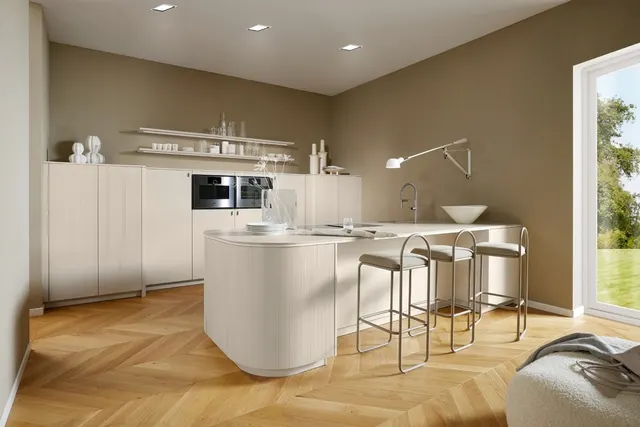
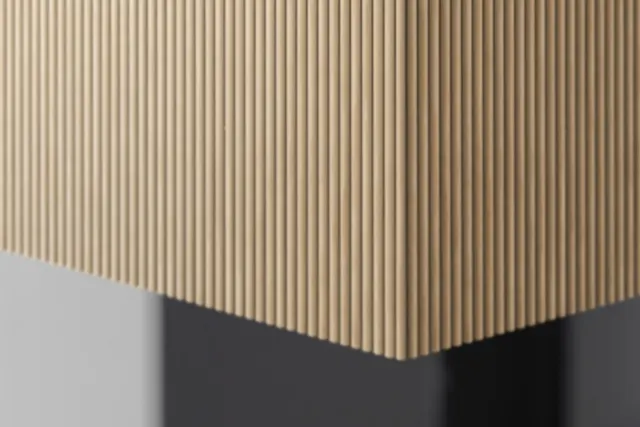
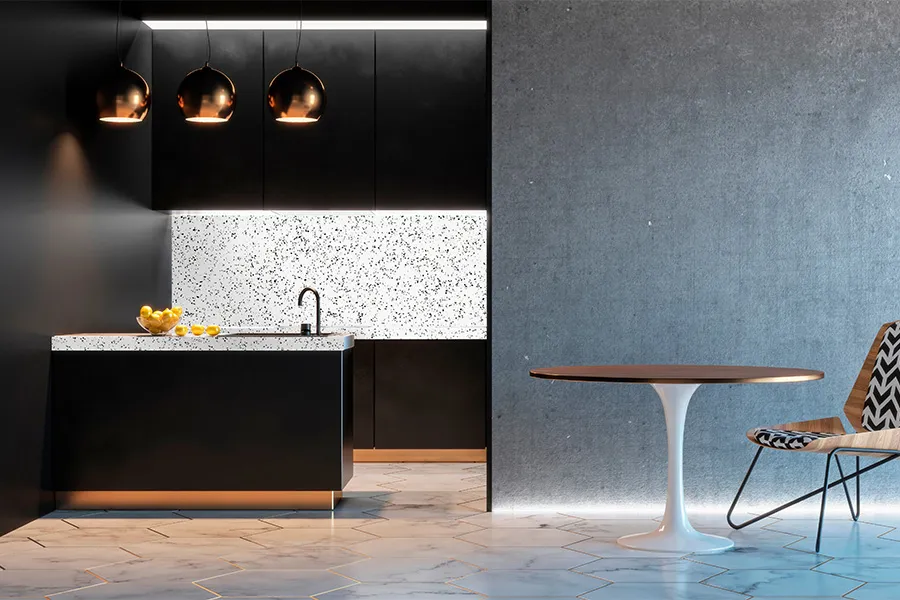
Like interiors as a whole, kitchens are subject to trends in colours and materials. After several years of white and black dominating, green is making slow but steady progress towards third place among kitchen colours. Has the time spent at home during the coronavirus pandemic, and the desire to bring more nature indoors, inspired you? This is also one reason why wood is increasingly finding its way into kitchens, adding warmth as an extension of the worktop or as the worktop itself. Like concrete, wood cannot be used as a splashback: it does not withstand high temperatures or moisture. This is where technology comes in. An aluminium splashback is a much more obvious choice. The fact that it can be made to look like wood, concrete, marble or another natural stone is a real bonus. What is more, the result looks so natural that many people only realise when they touch the splashback.
Perfectly personalised
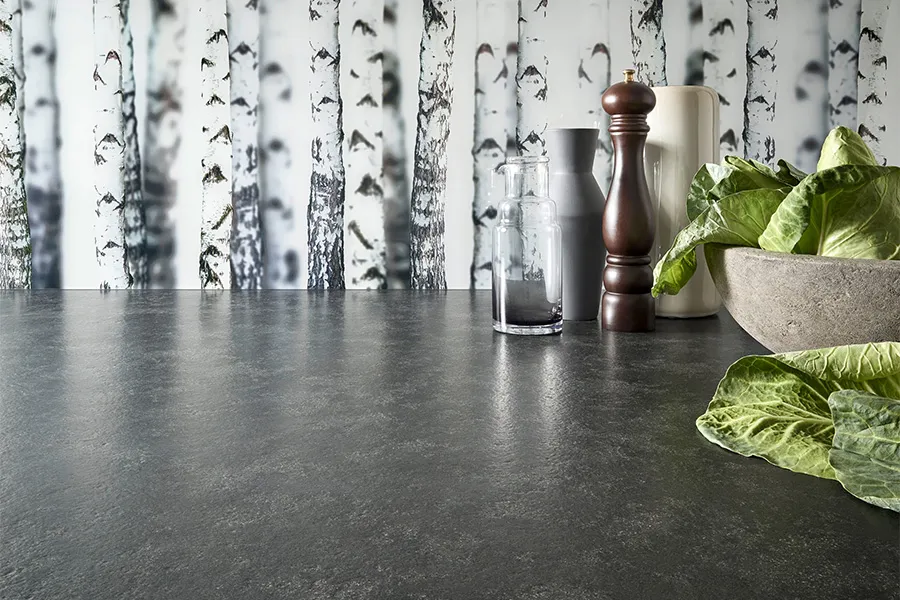
How about putting an image on a splashback? It is perfectly feasible and will add a little personality to the space. Choose a photo from what is probably the suppliers’ extensive image library, or provide your own. Wouldn’t it be fun, for example, to use a drawing by the children? Or a great holiday photo? Or something else… Choose an image that will stand the test of time, as replacing your splashback every so often just to change the photo is probably neither a good idea nor a sustainable one.
Question about this story? Ask your question
Keep following this
Get an email when a new story is published. No account needed.
- ThemeThe multifunctional sink area
- SubjectNews