






The quiet power of steam
Texte : Tom Rampelbergh Photos : ATAG, BORA, V-ZUG, pxhere
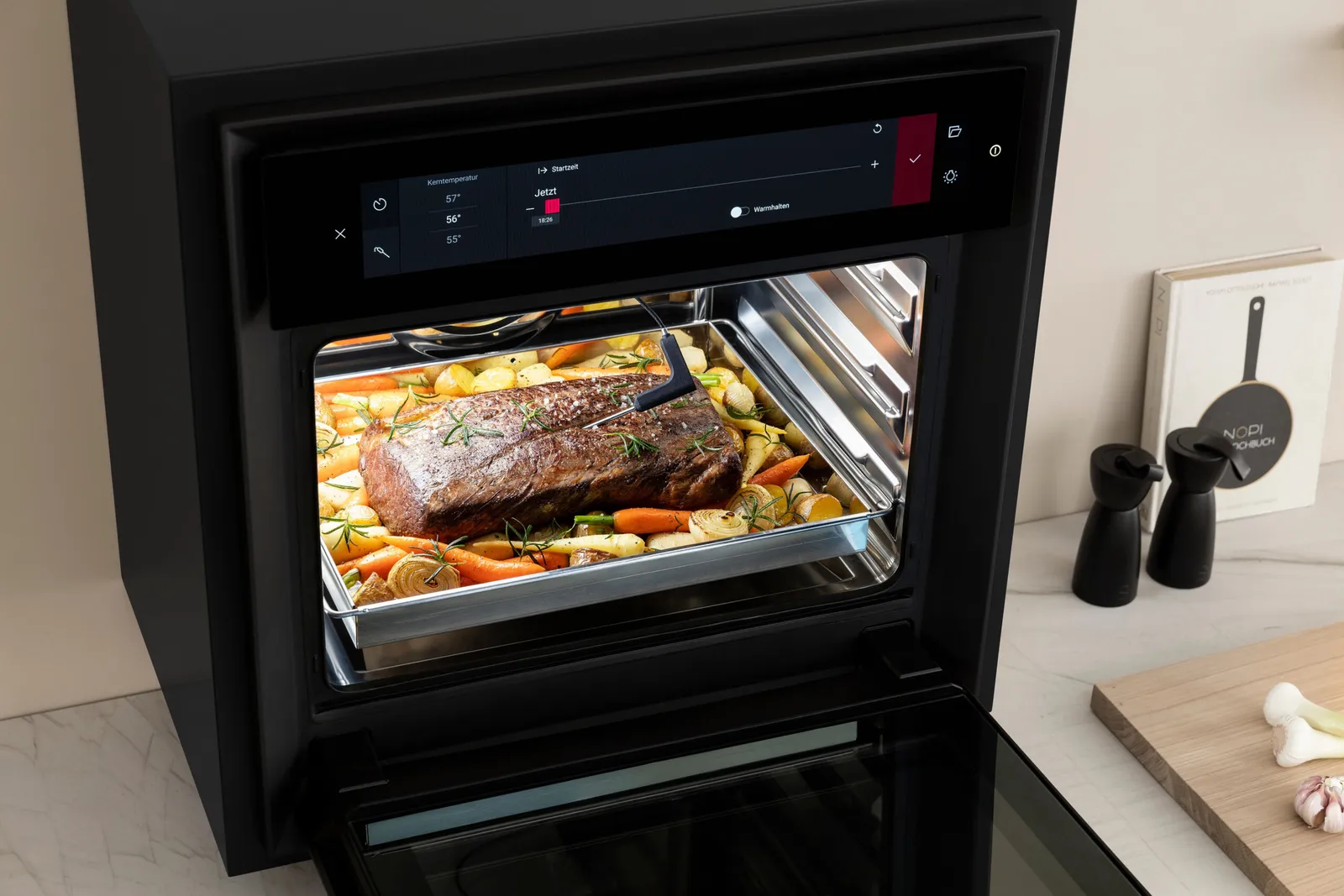
Health, flavour and efficiency: three important considerations in today’s kitchen. They are also three major strengths of an age-old technique that is set to make a comeback: steaming. More and more people are rediscovering the power of steam. And with good reason?
Explaining the concept of steam cooking to a complete novice in a single sentence is no easy task. The following overview may help you provide useful information to clients who know absolutely nothing about it. Steam cooking is a method that uses hot water vapour to cook food, without direct contact with boiling water and without adding fat. This technique, which has been used for centuries, has its roots in Chinese cuisine. With the rise of steam ovens and combination steam ovens, it is gaining ground. The family’s keen home cook, concerned about the health of their loved ones, will find plenty to appreciate.

Healthy and delicious
The main advantage of steam cooking is undoubtedly that it preserves vitamins and minerals. Unlike conventional boiling, which can lead to the loss of water-soluble vitamins such as vitamins B and C, steaming preserves more of them. This is very good news for consumers who keep a close eye on their own health and that of their loved ones. What’s more, the ingredients retain their natural flavour, texture and colour. You can enjoy bright orange carrots, crisp broccoli and tender, succulent fish. This is an undeniable extra benefit for anyone looking for a healthy diet, and is sure to appeal to those who ‘eat with their eyes’. What’s more, steam cooking is ideal for preparing different dishes at the same time, without transferring flavours. Vegetables, fish and even desserts: you can cook them all at once.
Cooking demonstrations help you learn
We would not go so far as to call the following ‘drawbacks’, but these are at least a few factors consumers should bear in mind. Anyone cooking with steam for the first time, after many years of frying and roasting food, will find that this method does require a change in mindset. You will not get a piece of meat with a crisp crust when cooking with steam, for example. That requires an extra step. But does that make this cooking method any less efficient? The actual cooking time also differs. But before sounding the alarm and putting consumers off steam cooking, it is worth drawing a few comparisons they will recognise. Almost everyone has learnt to ride a bike or drive at some point, and there was a time when nobody knew how to use a smartphone. But look at us now! You can also compare it with the induction hob: many consumers will relate to that. And if you mention the cooking demonstrations organised by manufacturers in collaboration with cookery schools, your clients should soon be able to put all their objections aside.

An extra option
While steam cooking is not set to replace traditional cooking techniques, it is clearly a valuable addition to the culinary repertoire. It comes at just the right time, particularly when health, flavour preservation and sustainability are central concerns. Yes, it requires investment, both in learning and in appliances. But you will get value for your money in terms of consistency, quality and customer satisfaction. Take steam seriously: it is a quiet force that can deliver impressive results when used with the right know-how.
Question about this story? Ask your question
Keep following this
Get an email when a new story is published. No account needed.
- ThemeCooking and ventilation control
- SubjectElectrical appliances