






Reducing the environmental impact of kitchens: the crucial role of sanitary equipment
Texte Delabie Photos Delabie
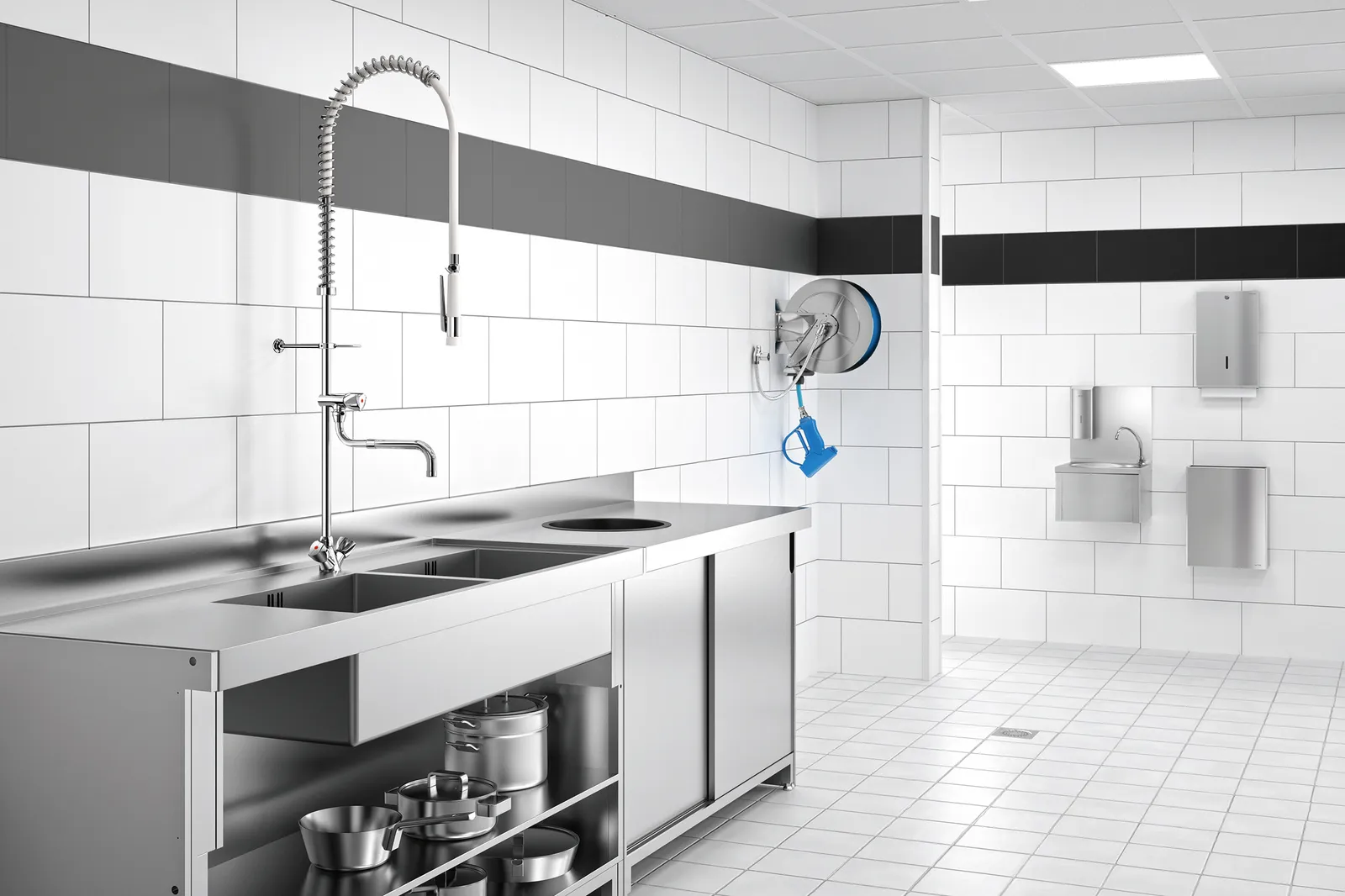
Today, the food industry and restaurants face a major challenge: reconciling economic performance with environmental responsibility. Among the measures they can take, choices around taps and sanitary equipment play an essential role. Unsuitable taps can lead to considerable waste, while well-designed solutions save resources while improving hygiene and safety. DELABIE, a specialist in sanitary equipment for professional environments, is committed to offering innovative solutions that optimise water consumption while improving hygiene and safety.
What is the environmental impact of taps in professional kitchens?
Water is a precious resource, especially in professional kitchens where it is used intensively. Yet ageing or unsuitable taps can lead to significant waste of water and energy. There are practical and effective solutions to address this!
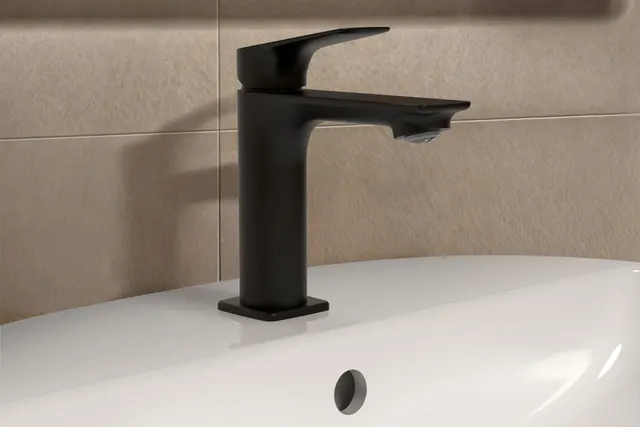
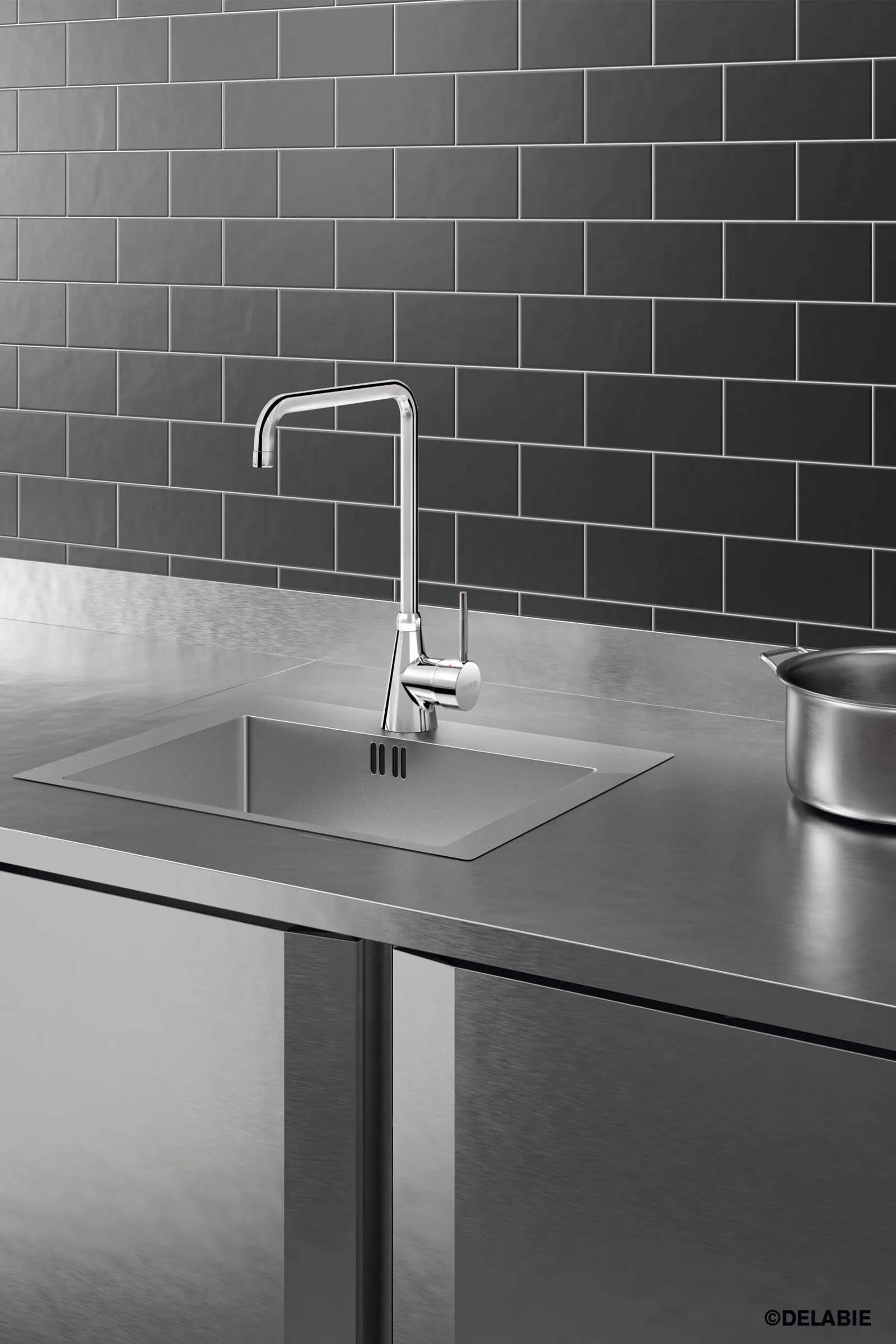
Equipment such as a single-hole pre-rinse unit with mixer tap offers an optimised flow rate and improved ease of use, reducing unnecessary consumption. Similarly, a deck-mounted single-hole mixer tap provides precise control over flow rate and temperature, preventing water and energy waste. These solutions can cut water consumption by 30 to 50%, while ensuring optimum comfort for users.
Hygiene and safety: essential requirements for professional kitchens
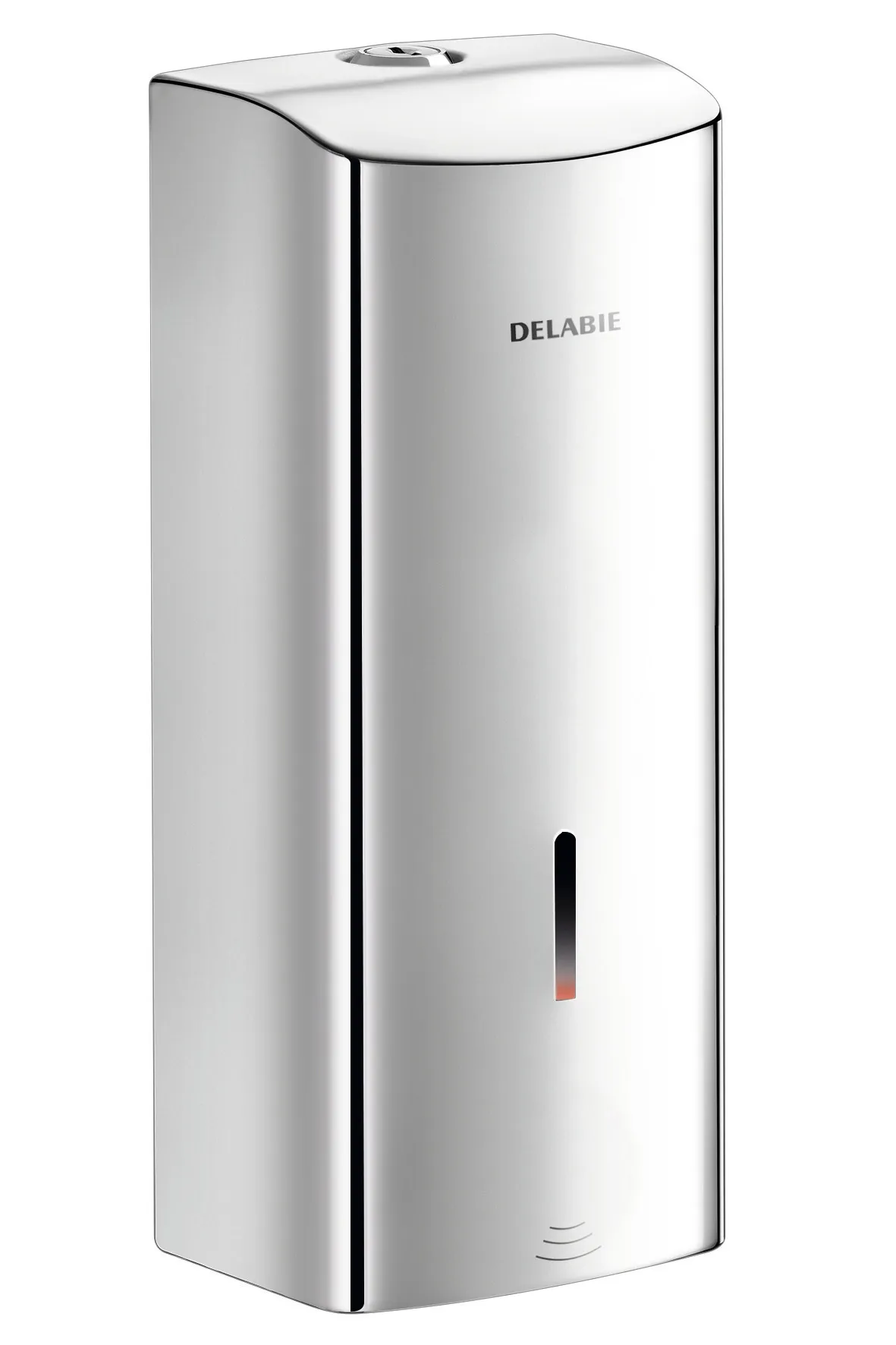
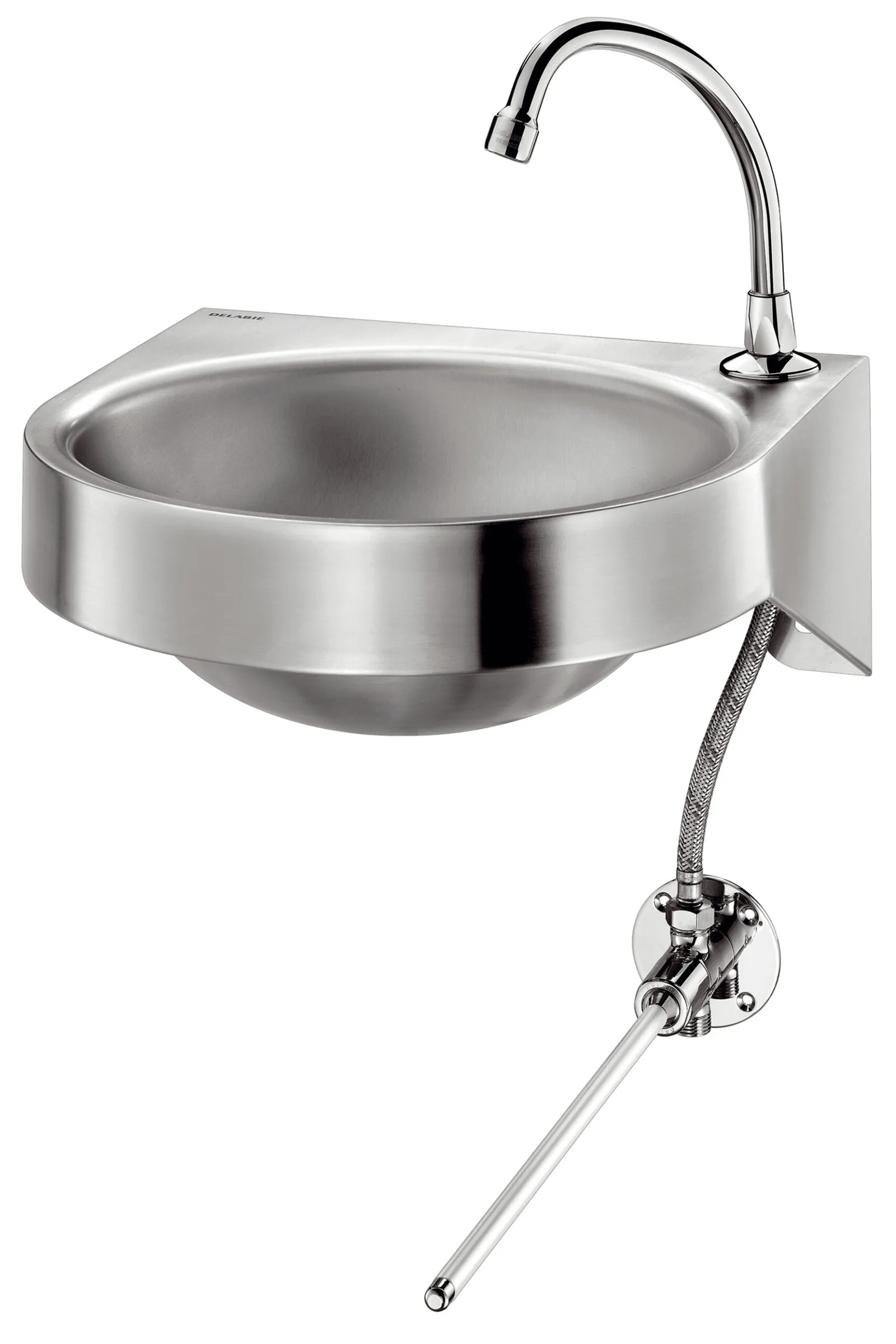
Hygiene is paramount in professional kitchens. Sanitary equipment that complies with HACCP standards (Hazard Analysis and Critical Control Points), such as hand-wash basins with hands-free controls and automatic soap dispensers, helps limit the risk of cross-contamination in food preparation areas. By incorporating these solutions, professionals meet hygiene requirements while demonstrating a strong commitment to the environment. Safety is equally important: installing thermostatic mixers and anti-scald systems ensures the water is at a suitable temperature, reducing the risk of scalding accidents. Infrared sensor taps also help minimise contact, improving hygiene and staff safety. By incorporating these solutions, professionals meet hygiene and safety requirements while taking a more responsible approach.
Lower costs, greater efficiency: sustainable solutions for professional kitchens
Low-consumption sanitary equipment does more than protect the environment: it also offers economic benefits. For example, installing timed taps, which automatically shut off the flow after a set period, prevents unnecessary waste. Thermostatic mixers likewise provide precise temperature control, reducing hot water consumption and, in turn, energy costs. This efficient use of resources helps lower operating bills.
A strong commitment to more sustainable food service
Taps and sanitary equipment are not mere accessories in professional kitchens: they are essential pillars of an effective CSR policy. By optimising water and energy management, food service professionals and the food industry can reduce their environmental impact while improving operational efficiency. It is a win-win for businesses’ economic performance and the planet.
A business enquiry for Delabie? Get in touch
Companies in this story

Keep following this
Get an email when a new story is published. No account needed.
- ThemeThe multifunctional sink area
- SubjectSanitaryware
- CompanyDelabie