





“Many independent business owners are too modest”
Texte Stéphane Hunot Photos Louwers Mediagroep
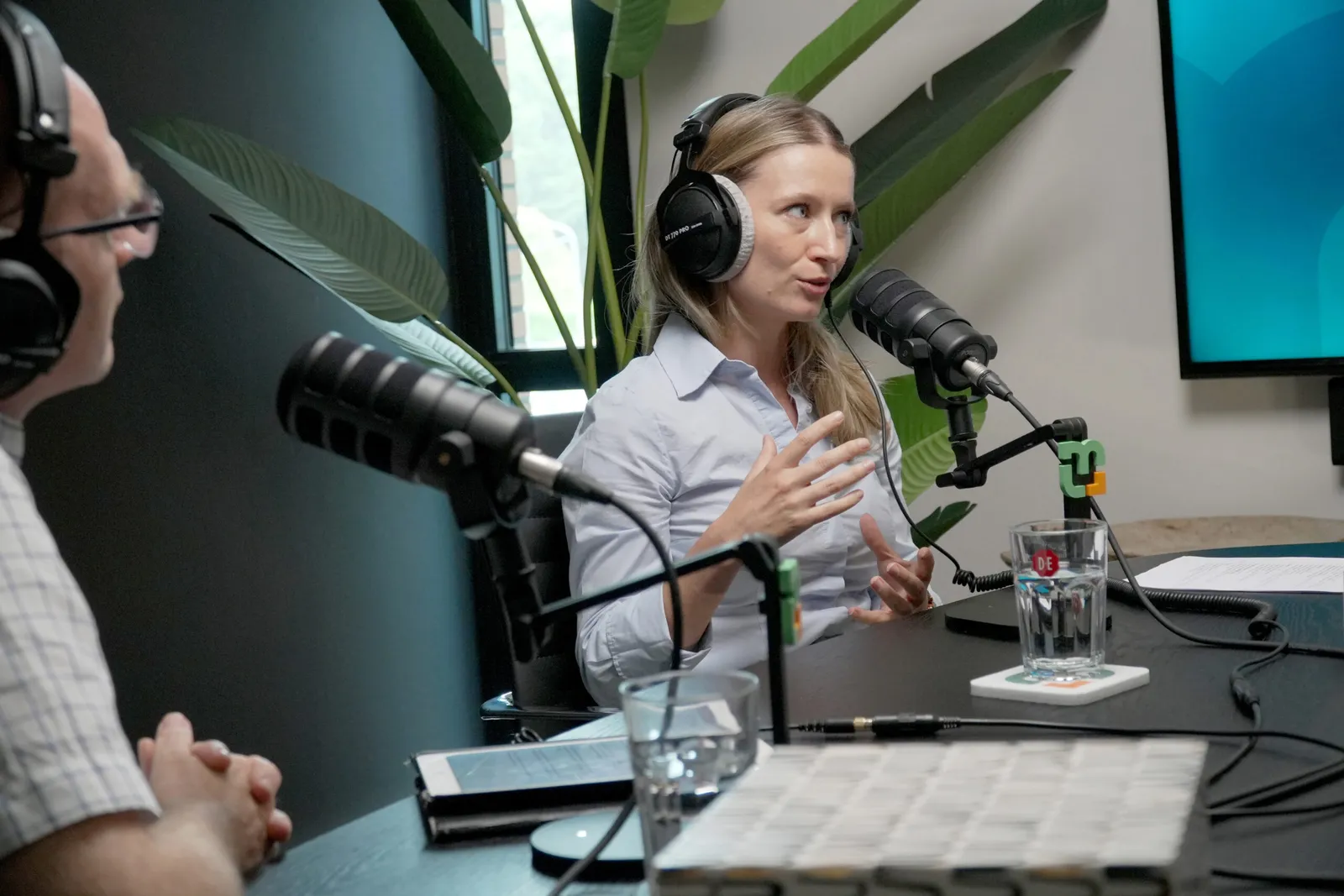
Many family-run SMEs are active in interior design and the manufacture of kitchens and bathroom products. These businesses draw on years of experience, know their customers and look beyond the next sale. But in a fast-changing, highly competitive environment, they face many challenges, particularly when it comes to investing in digitalisation and efficiency. Katrien Taelman (Taelman Home), Jan van den Berg (Installatiebedrijf van den Berg) and Caroline Dries (Brio Group) share their views on a sector in transition.
In a family business, succession to the next generation rarely follows a rigid script. Children gradually join the business, take on greater responsibility and shape the family story in their own way. At Taelman Home, originally an electrical appliance shop in Kortrijk, the handover to the second generation was a smooth one. “My parents gave my husband and me a great deal of freedom to find our own way,” says Katrien Taelman. “That trust allowed us to try out new ideas and take over the business some time later. We put our own stamp on it by opening new branches, expanding the range to include home and garden accessories, and developing the kitchen installation side of the business.”
Jan van den Berg also took over the family installation business with his brother Bert. He believes the strength of their partnership lies in their complementary skills: “Not everyone has the same talents or interests. The most important thing is to have clear agreements on who is responsible for what. My brother is more technically minded and has a keen interest in renewable energy, while sales and bathrooms are more my area. We are proud to be carrying on the business together. We found our feet gradually. We realised that our history and family name on the façade inspire confidence among customers, but also bring high expectations.”

Making expertise visible
The key question today is how independent business owners can stand out. Customers have become more demanding: they do more research before entering the showroom and compare more options. As Katrien Taelman explains: “A kitchen is an emotional purchase. Customers dream of their ideal kitchen. But it is also a slower sale that takes time. We work with customers to find a suitable solution, drawing on inspiration they may have found on Instagram, for example. And of course, we have to work within budget limits.”
Jan van den Berg agrees: “Our role is to guide customers towards quality products that suit their budget. And our responsibility does not end after the sale. Problems can arise with any brand, that is a fact of life. We take this into account when choosing the sanitaryware brands we work with: how do the different companies handle disputes? Ultimately, customers expect us, as installers, to resolve any problem quickly.”
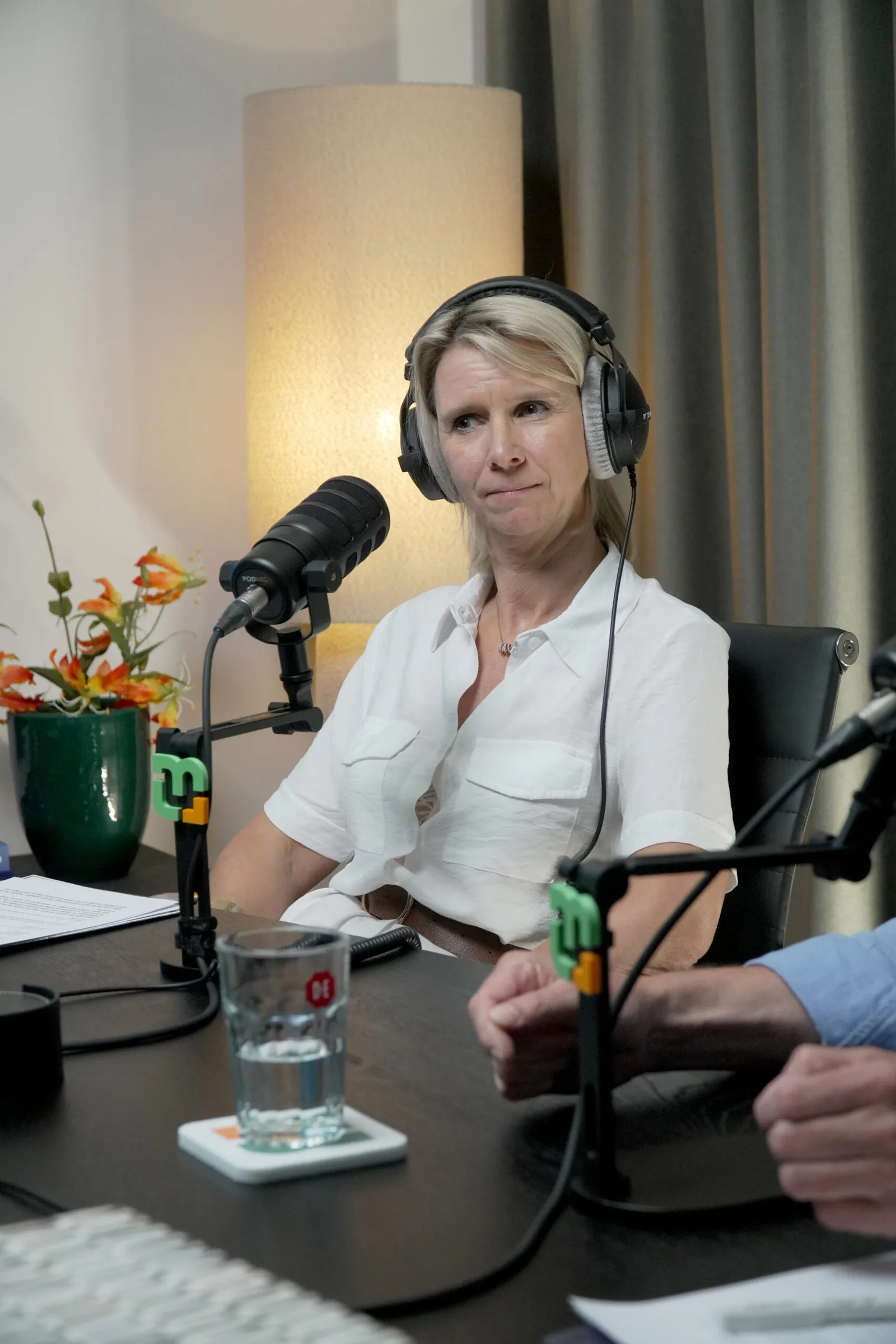
Caroline Dries, from the Brio Group buying group, has noticed that business owners do not always showcase this expertise, customer focus and service enough. “Many people in the sector are actually too modest about their expertise, even though their technical skills and product knowledge are a major asset. Explaining why one solution is better suited to a particular situation makes the added value tangible and prevents the discussion from focusing solely on price. What is more, the level of after-sales service is generally far higher than that offered by the large chains.”
Digitalisation is about much more than software
In family businesses, processes have often evolved organically and are partly held exclusively in the minds of the owner or experienced employees. Behind the scenes, things are becoming more complex: sales, administration, planning and communication need to be better aligned. Digitalisation can help, but it takes more than simply installing a piece of software.
Caroline Dries sees Brio Group playing a key role in sharing knowledge and experience and supporting the digital transformation of independent installers. “When business owners face the same questions, there is no need for every company to do all the research and development on its own. We can explore solutions, select partners, organise training and facilitate the sharing of experience. This makes digitalisation more accessible to every SME.”
“Since digitalisation and software are fairly costly investments for an independent business to develop in-house, I see real added value in this. I’m thinking specifically of 3D visualisation for our business,” explains Katrien Taelman. “We had already seen the benefits of the buying group when we launched our kitchen business. Brio Group supported us and pointed us towards the right suppliers.”
Jan van den Berg is also counting on the buying group to support his company’s growth: “For example, we would like to learn from other installers how they design their showrooms. We face the same challenges and there is no need to reinvent the wheel every time. I hope to meet these fellow professionals through the Brio Group network. This gives us support behind the scenes while leaving us free to follow our own approach and make our own decisions.”
Een zakelijke vraag aan Brio? Get in touch
Companies in this story
Keep following this
Get an email when a new story is published. No account needed.
- ThemeThe contemporary bathroom
- SubjectNews
- CompanyBrio