






A modern take on an age-old cooking technique
Texte : Iris Salembier Photos : Beko, ATAG, Pexels
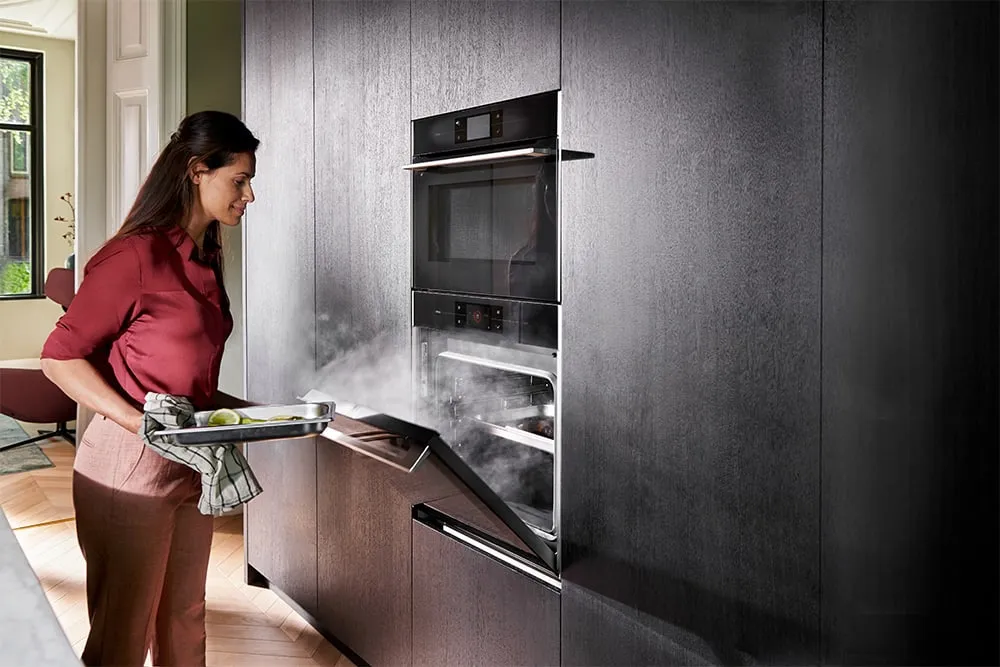
According to archaeologists, steaming is one of the oldest cooking techniques in history. It is remarkable, then, that this millennia-old method of preparation has found its way into our kitchens today. It is becoming increasingly common, too, with steaming having grown significantly in popularity in recent years. This enthusiasm is down to two major advantages: it is both a healthy and incredibly simple way to cook. Today, we no longer use bamboo steamers or freestanding appliances, but rather innovative built-in steam ovens and combi-steam ovens that offer endless possibilities.
The principle is very simple: water is heated until it turns to steam, which then cooks the food. Some people still think steaming is limited to preparing vegetables. But meat, fish, potatoes, pasta, rice and risotto are all suited to cooking in a steam oven, too. Delicious! According to the experts, some desserts, such as rice pudding and crème brûlée, are even easier to prepare with steam than by traditional methods.
A winning choice
Steam ovens have been used in restaurants and commercial kitchens for many years. The convenience of this cooking technique is a key reason why. With ordinary pots and pans, there is always a risk of food boiling over or sticking to the bottom of the pan. Steaming avoids these problems, allowing cooks to focus on other tasks while the food cooks. What is more, it is perfectly possible to prepare several dishes at once. Finally, the ingredients’ intensity and flavour are preserved far better than with other cooking methods, such as boiling or frying. It is no wonder, then, that this technique is so popular in professional kitchens, where ingredient quality is an absolute priority.
Built-in models for a firmly established habit
Professional chefs are now fully convinced of the many benefits of steaming. If there was one drawback, it might have been the price, at least initially. A few years ago, appliances were still quite expensive and therefore less affordable for households. Since then, they have become much more accessible. Steam ovens have been increasingly popular in home kitchens for some time now. A few years ago, cooks who favoured steaming still mainly used freestanding appliances. This cooking technique has since become so well established that steam ovens are now increasingly available as built-in models.
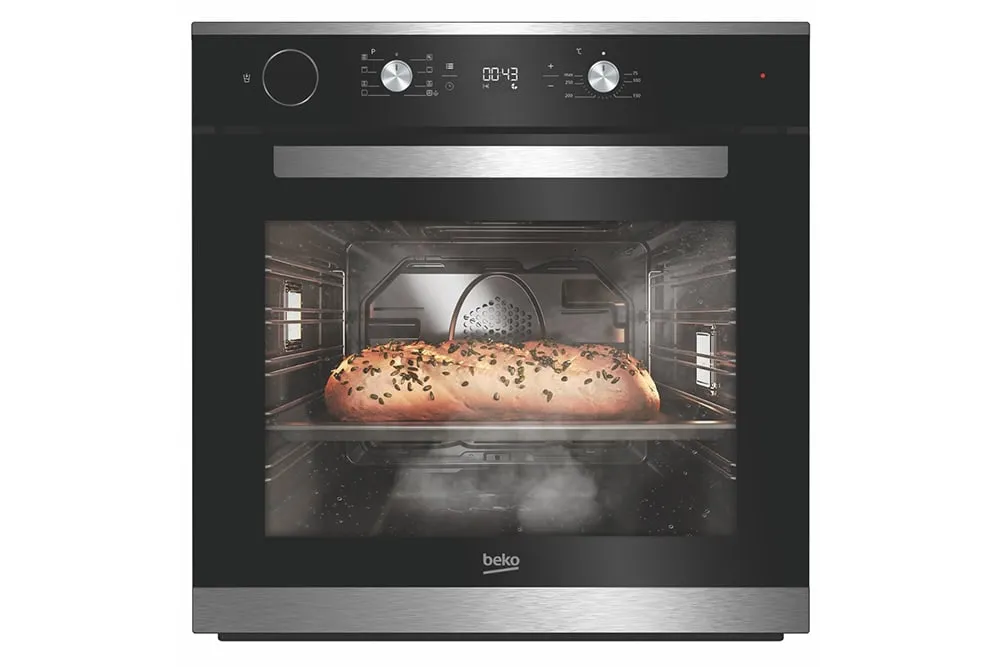
Plenty of choice, from fast to ultra-fast cooking
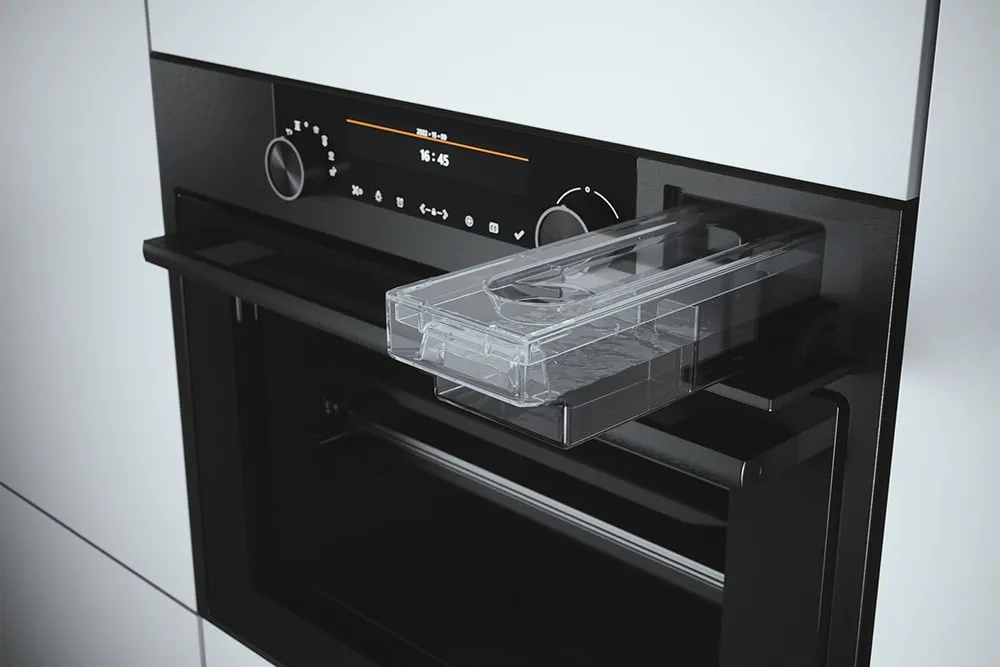
There are two types of built-in steam oven: combi-steam ovens and standard steam ovens. As the name suggests, a combi-steam oven can also use cooking techniques other than steaming. It offers a range of functions, including grilling, steaming, bottom or top heat, hot air, bread baking, pizza mode, defrosting, reheating, keeping food warm, slow cooking, plate warming and bottle sterilisation. A combi-steam oven is the ideal solution for anyone who likes to vary their cooking methods but does not have the space or budget for two ovens. You may be wondering why you would choose a standard steam oven when combi models perform so well. A combi-steam oven only offers non-pressure steaming, whereas a standard steam oven also offers pressure cooking. This technique saves valuable time compared with cooking without pressure, as it can reach a temperature of 120 °C, compared with a temperature range of 40 °C to 100 °C for non-pressure cooking. The faster cooking process preserves vitamins and minerals even better. However, installing a pressure steam oven requires a water connection, including both a supply and a drain. This is not necessary for combi-steam ovens with a non-pressure steam function, as they usually operate with a water tank that must be filled by hand.
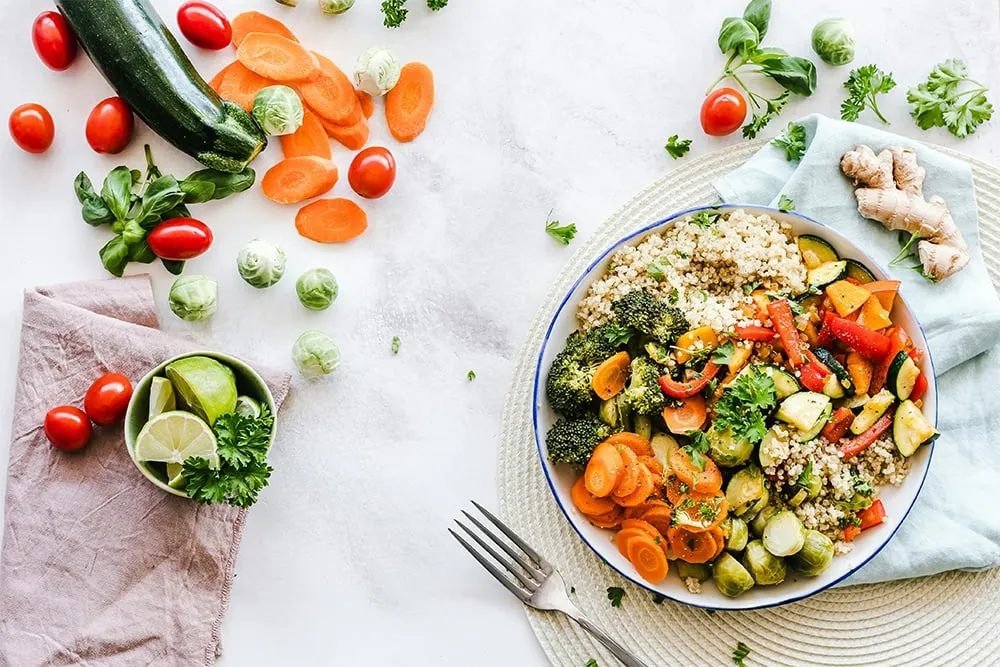
Steaming, a popular cooking technique
Do you value the nutritional content and quality of your dishes? If so, a steam oven is essential. Thanks to technological advances, this cooking method, once favoured only by chefs and restaurants, is now within reach of home cooks and households. Classic and combi-steam ovens are playing an increasingly important role in modern kitchens. And for good reason: these elegant, multifunctional built-in appliances are perfectly in tune with the times.
Question about this story? Ask your question
Keep following this
Get an email when a new story is published. No account needed.
- ThemeCooking and ventilation control
- SubjectProducts