






Spotless dishes, without the hassle
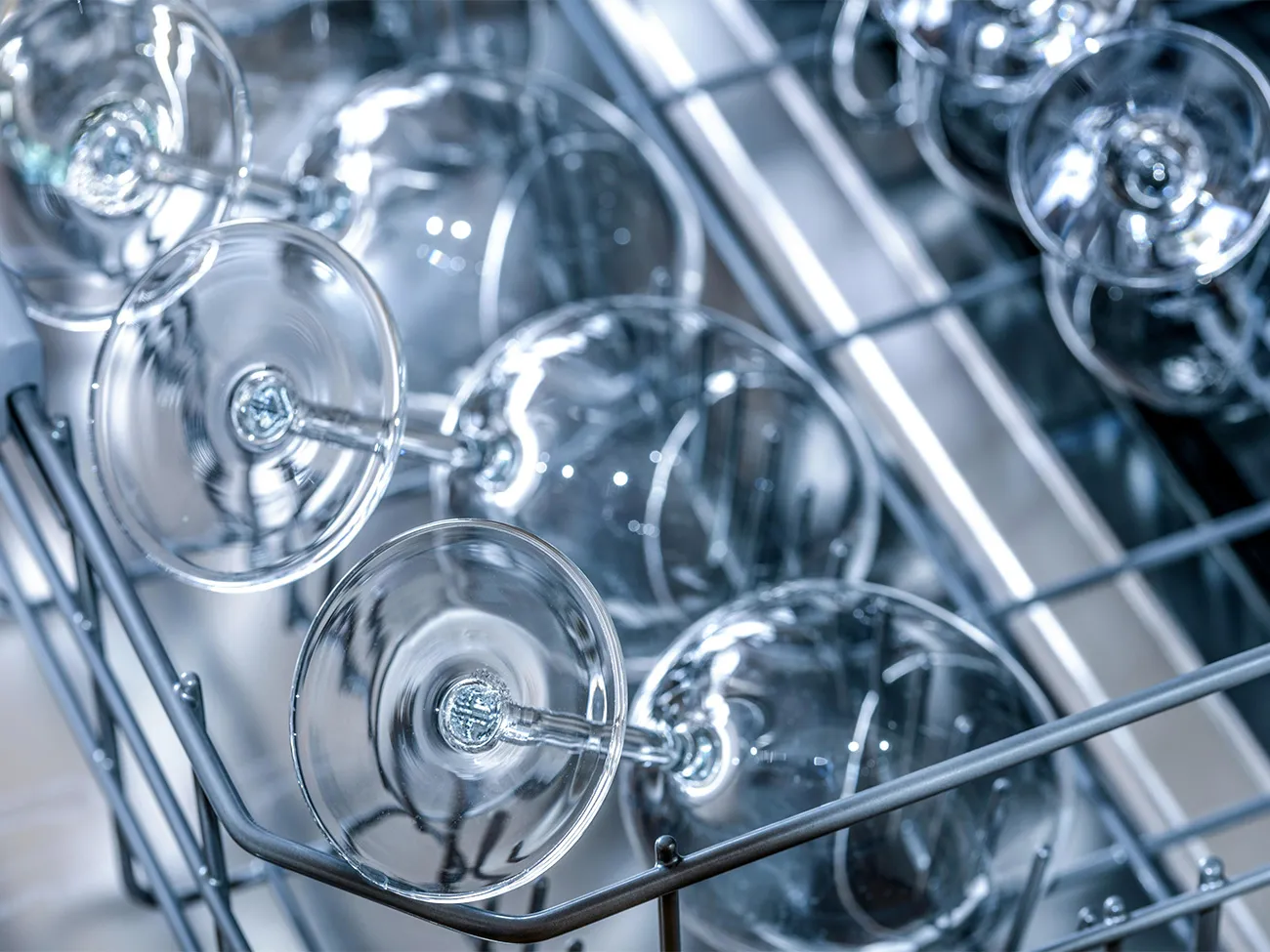
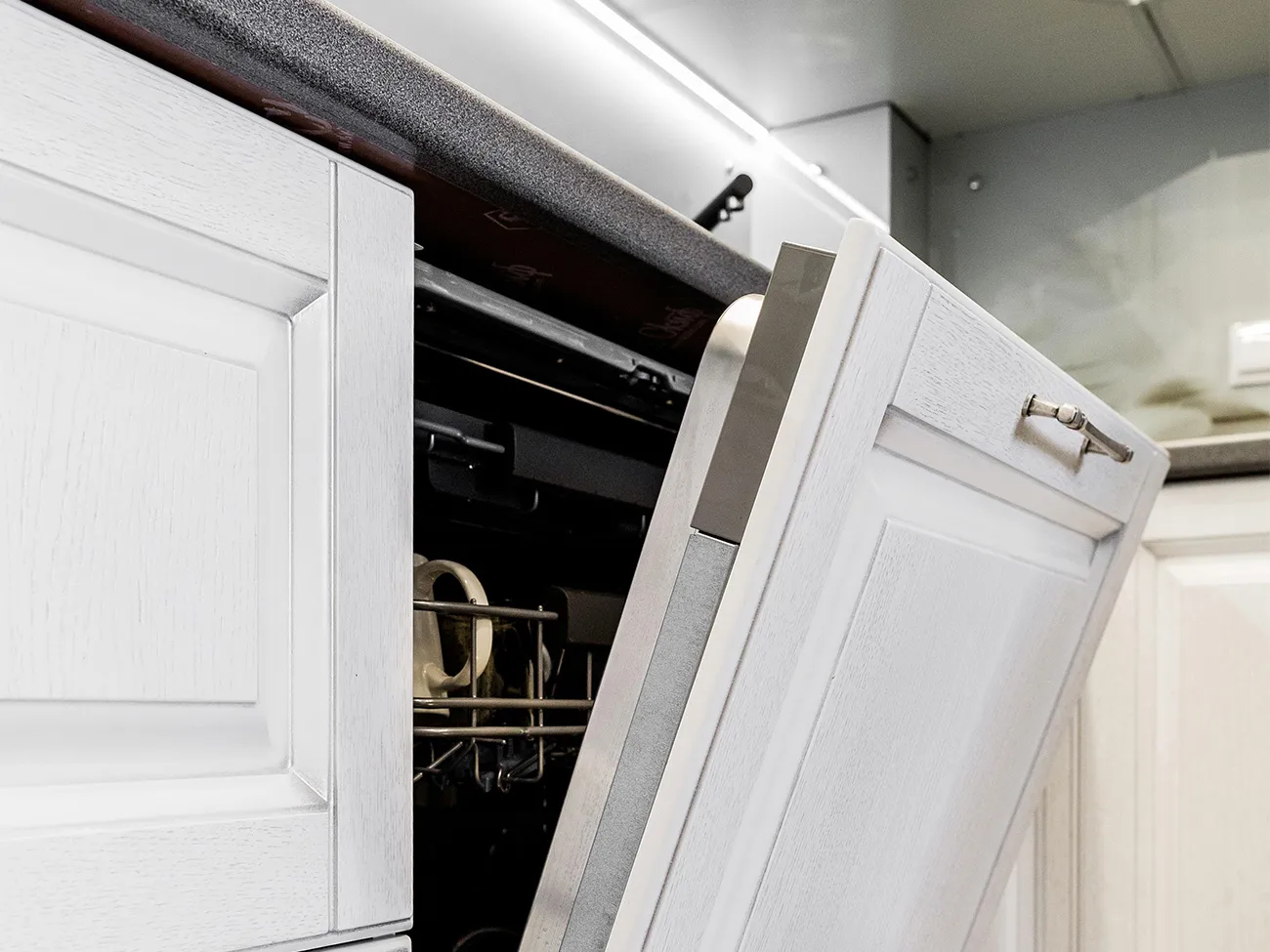
Nobody likes doing the washing-up. Not after an ordinary family day, and certainly not after friends have been round or a party. That is why the dishwasher has become one of the most sought-after kitchen appliances. A new kitchen is ideal for a fully integrated model concealed behind a door panel. A freestanding model is also an option, for example in the increasingly popular back kitchens.
Fortunately for the many families who want a dishwasher, kitchen appliance manufacturers have responded to this demand. New appliances are coming thick and fast, and existing models are being improved just as frequently. A host of practical features also help with the daily washing-up routine. And fortunately, manufacturers are keeping an eye on these appliances’ energy consumption too.
Lower consumption, please
The energy label on every appliance, including dishwashers, provides information on energy consumption, water consumption and performance. There is no doubt that electricity and water are needed. Just as important is consumers’ desire to use as little as possible, especially with prices continuing to soar. But we naturally do not want to compromise on performance. Fortunately, manufacturers have embraced energy efficiency and sustainability. There are plenty of appliances in energy classes A+ and A++, with some stand-out models reaching energy class A+++. Energy-efficient appliances use around 10 litres of water per wash, although some models use more or less. An appliance’s water consumption is shown on its eco-label in litres per year, based on an average of 280 washes a year. Of course, users’ habits also need to be taken into account. After all, the aim is not to run lots of cycles with a half-full dishwasher.
Key programmes
Manufacturers are developing appliances to give us a helping hand every day. With an array of programmes, they clean plates, glasses and everything else that is dishwasher-safe. Which programmes should they definitely include, and which are used most often?
An automatic programme lets the dishwasher make the decision itself. Using various sensors, it assesses the load and how dirty the dishes are, then selects the most suitable programme. Those who still want to run a half-full appliance can choose a ‘half-load’ programme. The dishwasher then shortens the wash and adjusts the amount of water to the size of the load. An eco programme is another must. It is the programme of choice when the dishes are not very dirty. At the other end of the scale, an intensive programme is needed to clean heavily soiled bowls and plates. And if you urgently need clean dishes, choose a quick programme that limits the wash time. The temperature is slightly higher and water consumption greater, but the wash is shorter.

Practical features
A light projected onto the floor to show whether the appliance is still running is one of the practical features of fully integrated dishwashers. An audible signal also indicates when the programme has finished. Some appliances project a clock onto the floor, so you can keep track of how long a particular programme will take. A delay-start function lets you load the dishwasher and then set when it should begin its wash cycle. A warning light to show when it is time to top up the salt and/or rinse aid is another useful feature.
Question about this story? Ask your question
Keep following this
Get an email when a new story is published. No account needed.
- SubjectNews