






“Tackling bacteria and water waste”
Texte : Tom Rampelbergh Photos : DELABIE
Handwashing and hand disinfection have always been a major concern. Then the coronavirus pandemic showed just how important they are. Since then, the washrooms in hotels, restaurants, cafés and bars, as well as industrial kitchens, have (rightly) paid even more attention to them.
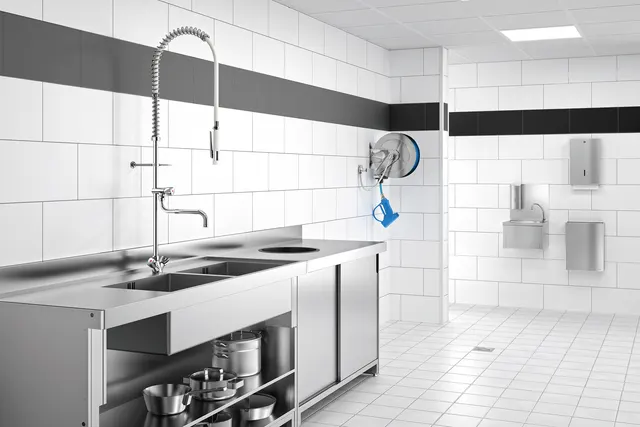
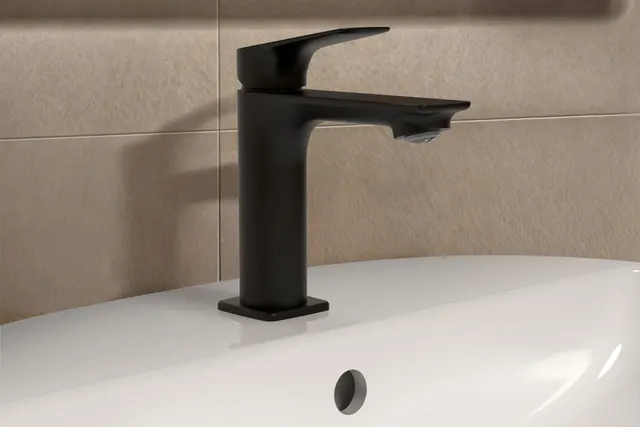
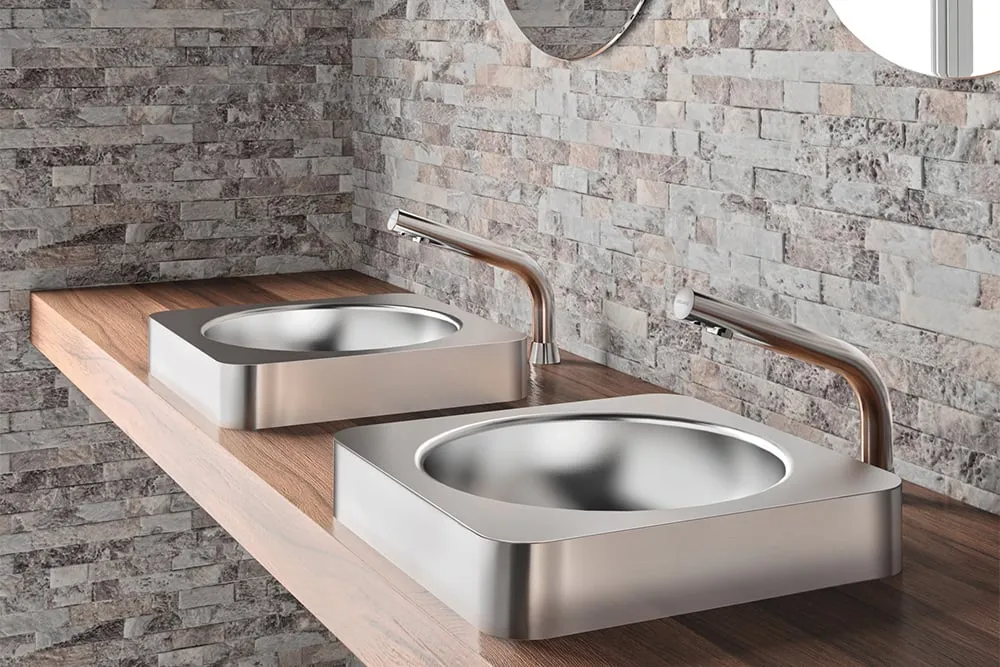
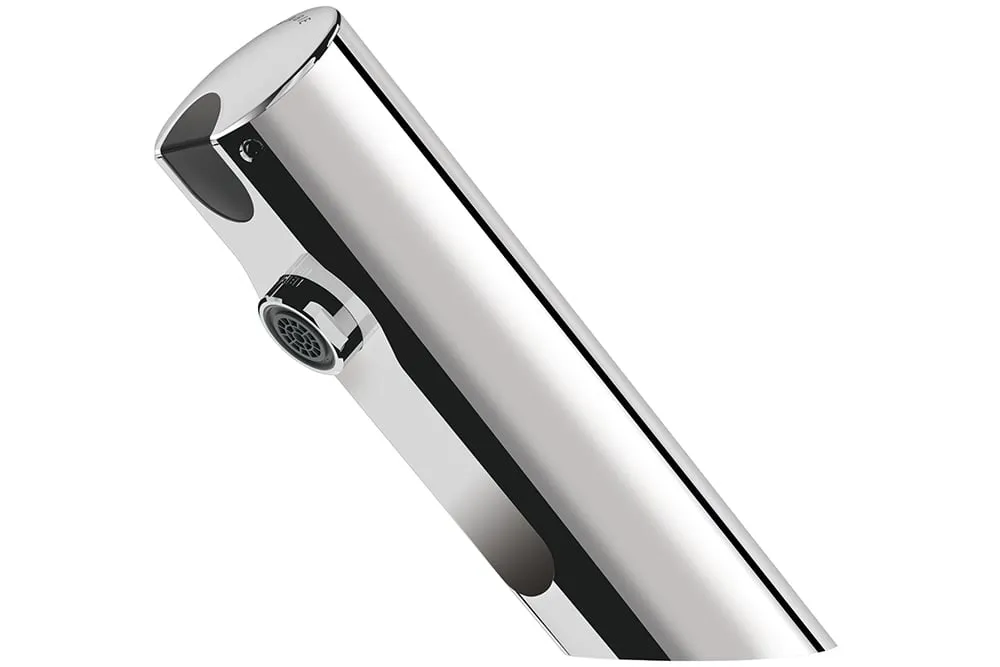
Today, hygiene is a top priority, and touch-free solutions are in high demand. After all, we want to prevent the transmission of bacteria. However, this particular focus has a downside: high water and energy consumption. “That is why it is more important than ever to install sanitary products that meet the demands of public spaces,” our contact at DELABIE points out. “For decades, we have been offering handwashing and hand-disinfection solutions for public spaces and professional kitchens. Electronic taps, soap dispensers, mechanical taps and self-closing taps: all meet the highest hygiene standards. Take electronic taps, which shut off automatically a few seconds after activation. No manual contact means maximum hygiene.
Water free from pathogenic bacteria
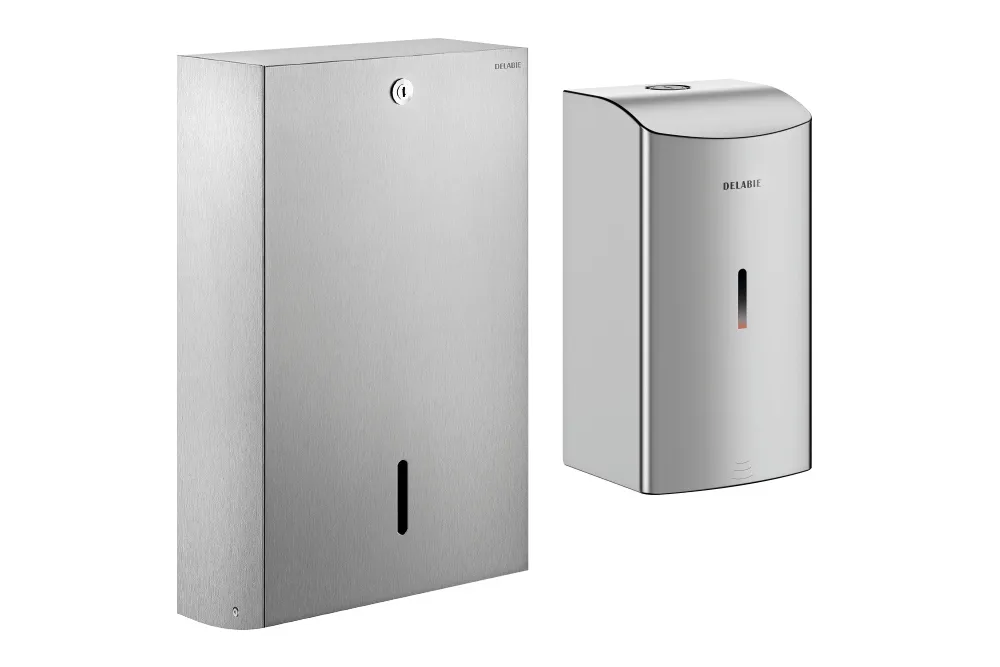
Electronic taps have an additional advantage: if they are not used for a prolonged period (washrooms are closed, a location is isolated, a hotel room is unoccupied, etc.), the periodic flushing function ensures that an automatic flush takes place every 24 hours. Water then flows through the tap and pipes, limiting the growth of bacteria. “Some taps can be fitted with our patented anti-stagnation solenoid valves,” explains Svea Wagemans of DELABIE. “Terminal filters are also a preventive or remedial solution for ensuring water is free from bacteria. And then there is another essential step in hand hygiene. The risk of bacterial transmission increases on wet skin, so drying your hands is very important. That is why our range includes numerous models of paper towel dispensers and towel holders made from bacteriostatic stainless steel. An added benefit is that they are easy to clean.”
Saving water and energy
Handwashing has become almost three times as frequent since the pandemic. The time spent washing hands has doubled. From a hygiene perspective, this is obviously a good thing. “A thorough handwash takes around 40 to 50 seconds,” explains Svea Wagemans. “During that time, users see several litres of water going down the drain while they soap their hands. It goes without saying that hot and cold water consumption has risen sharply, sometimes reaching as much as 60 litres per person per day. We therefore believe it is high time to systematically install taps in all public spaces that ensure not only maximum hygiene, but also significant water savings. Our solutions can save up to 90% of water through phased use, meaning the tap shuts off automatically after the hands are wetted and rinsed, and by limiting the flow rate to 3 litres per minute instead of the usual 9 litres per minute. The performance of our electronic and self-closing taps enables them to achieve the highest levels of the environmental labels available. A must when constructing or renovating buildings!”
A business enquiry for Delabie? Get in touch
Companies in this story

Keep following this
Get an email when a new story is published. No account needed.
- ThemeThe multifunctional sink area
- SubjectSanitaryware
- CompanyDelabie